

In Northeast Ohio, summer brings a flood of tree companies to neighborhoods, with trucks on every street and yard signs staked in every lawn. At first glance, they may all seem to offer the same services, but landscapers, ISA Certified Arborists, and tree service companies bring very different training, qualifications, and responsibilities to the job.
Understanding those differences helps you hire the right professional—and explains why two estimates that look similar on paper can vary by thousands of dollars. You’re often not comparing the same level of expertise, safety, or accountability.
Key Takeaways
- Landscapers, tree service companies, and ISA Certified Arborists have different training and responsibilities.
- An ISA Certified Arborist has verified education, experience, and continuing education requirements.
- Certain tree work—including diagnosis, risk assessment, and structural pruning—is best handled by an ISA Certified Arborist.
- A professional estimate often reflects insurance, workers’ compensation, training, and regulatory compliance—not just labor.
- Comparing estimates based on price alone can overlook important differences in safety, expertise, and homeowner protection.
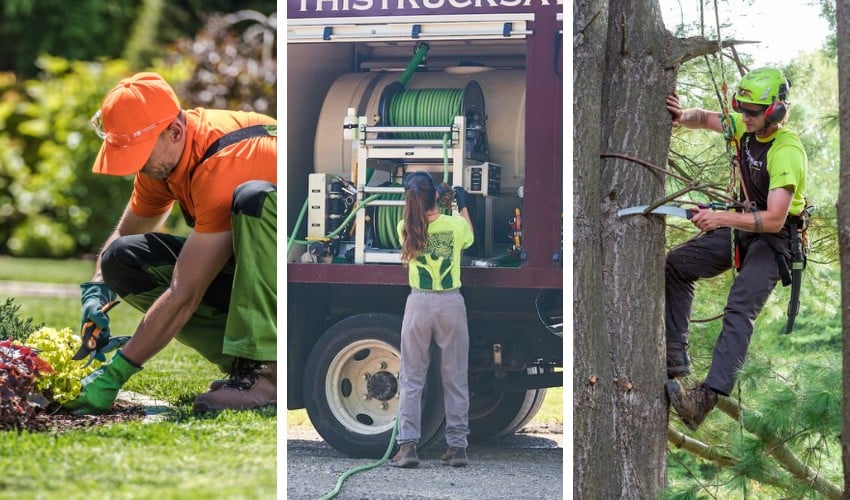
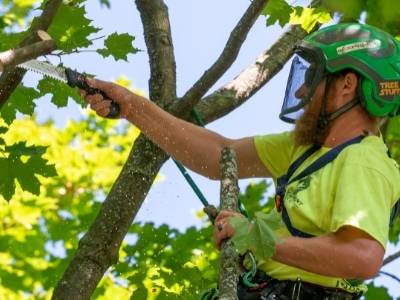
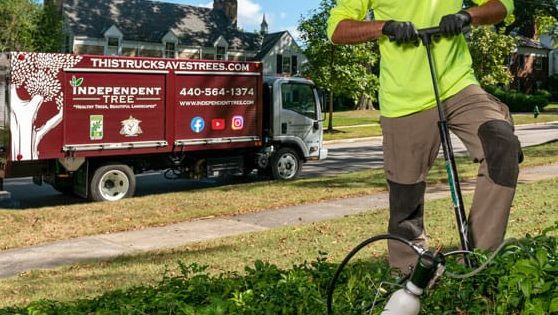
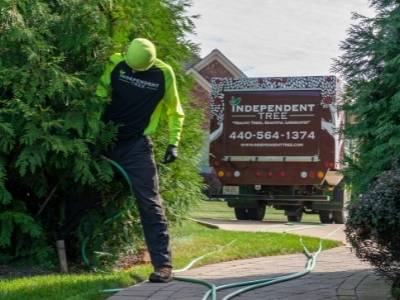
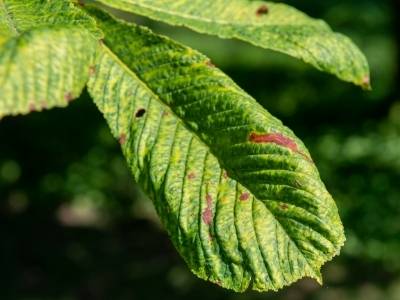
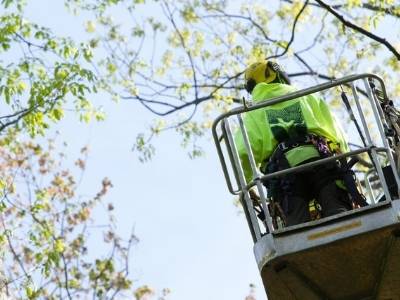
A landscaper, a plant health care technician, and a certified arborist each bring different training, equipment, and expertise to their work.
Should You Hire a Landscaper, an Arborist, or a Tree Service?
These are three distinct types of professionals, each trained for different work. Confusing one for another is one of the most common and costly mistakes people make when it comes to tree care.
What Does a Landscaper Do?
A landscaper is trained for:
- Design
- Installation
- Aesthetic maintenance (lawns, planting beds, irrigation systems, hardscape)
Despite having real expertise, it’s not arboricultural. Industry training organizations note that landscapers are not necessarily equipped with the training and tools required to perform arboricultural operations correctly or safely, as most lack the specialized climbing and rigging equipment that structural tree work needs.
For light ornamental trimming of small shrubs, a landscaper is fine. For anything involving a mature tree (pruning, removal, or a health concern), the work is outside their training.
What Does an ISA Certified Arborist Do?
An ISA Certified Arborist has met a verifiable, accredited standard. Candidates have to have at least three years of full-time arboricultural work experience before sitting for a 200-question exam covering:
- Tree biology
- Soil science
- Pruning standards
- Risk assessment
The ISA credential is accredited under ISO 17024 by ANSI, a verified professional qualification and not a trade membership or self-designated title.
Certification doesn’t last forever, either. Arborists have to complete continuing education units to renew. This means the credential reflects current knowledge, not just a test that was passed years ago. An ISA Certified Arborist is also trained in disease diagnosis and plant health care—services that require the ability to correctly identify what’s wrong with a tree.
What Does a Tree Service Do?
Not every tree service company employs an ISA Certified Arborist. In Ohio, a tree service company without ISA credentials can legally perform:
- Tree removal
- Pruning
There’s no statewide licensing requirement for tree work, which means the quality of non-certified companies varies greatly—from experienced, well-equipped crews who just haven’t pursued certification to operations with minimal training and low overhead.
When Should You Hire a Certified Arborist?
The more closely linked a job is to the long-term health or structure of a tree, the more the credential is needed.
For general tidying, like clearing small debris and routine shrub trimming, a qualified landscaper or basic tree service could suffice. The range of work that genuinely warrants a Certified Arborist is broader than most people realize:
- Structural pruning, cabling, or large canopy work—where ANSI A300 standards govern correct technique
- Disease and pest diagnosis, PHC programs, and fertilization—wrong diagnosis means expensive and preventable loss
- Risk assessment for hazard trees or storm-damaged trees—ISA’s TRAQ (Tree Risk Assessment Qualification) credential is specifically designed for this
- Any work near power lines or significant overhang over structures—requires proper rigging and certified expertise
Plant health care programs are one of the best examples, as a landscaper or uncertified crew can’t diagnose what’s wrong with a declining tree. Guessing wrong can mean losing a tree that could’ve been saved. The cost of doing it right, with the right credentials, is typically less than the cost of fixing the results of the wrong hiring.
What Are You Paying for When You Hire a Certified Arborist?
A quote from an ISA Certified Arborist isn’t just a price for cutting or pruning a tree. It reflects the training, expertise, safety standards, insurance, and legal compliance required to perform the work responsibly. While two estimates may look like they’re for the same job, they’re often built on very different business practices.
Behind every estimate are business decisions that affect the quality of the work and the level of protection you receive, including:
- Professional Expertise: An ISA Certified Arborist has verified knowledge of tree biology, pruning standards, risk assessment, and diagnosis.
- Workers’ Compensation Coverage: Protects both employees and homeowners if someone is injured on the job.
- Liability Insurance: Helps cover accidental property damage.
- Municipal Registrations and Licensing: Many Northeast Ohio communities require contractors to register before performing tree work.
- Specialized Equipment and Trained Crews: Proper rigging, climbing equipment, and ongoing safety training reduce risk.
- Industry Standards: Work performed according to ANSI A300 and other arboricultural best practices.
A lower estimate doesn’t necessarily mean you’re getting a better value. It may simply mean the company isn’t carrying the same overhead, credentials, or protections. Understanding what’s included in a quote helps you compare estimates based on more than price alone.
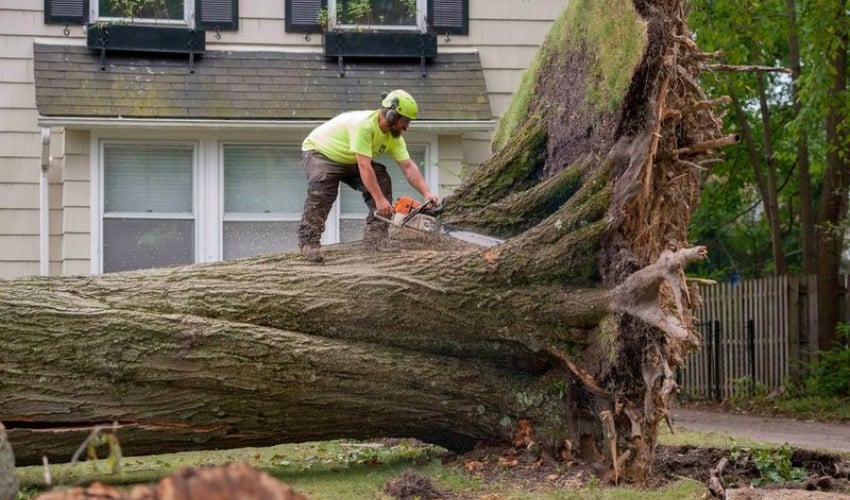
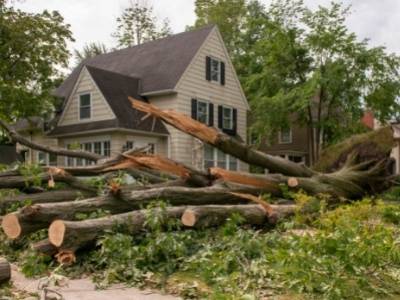
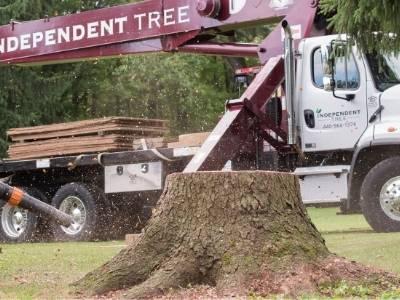
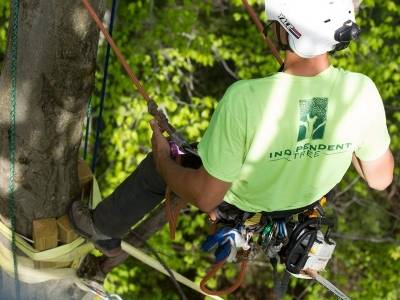
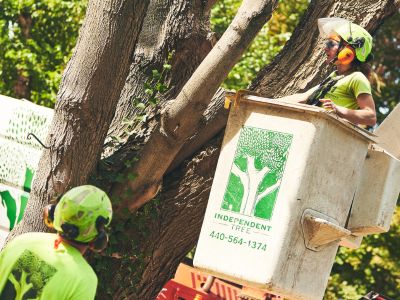
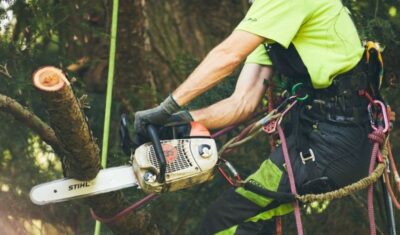
Tree removal after a storm requires rigging knowledge, proper equipment, and safety training—work that falls well outside a landscaper’s scope.
Frequently Asked Questions About Arborists and Landscapers
What is the difference between an arborist and a landscaper?
A landscaper focuses on design, installation, and aesthetic maintenance of outdoor spaces. An arborist, especially an ISA Certified Arborist, is specifically trained in tree biology, structural assessment, disease diagnosis, and safe removal and pruning techniques.
Do I need a Certified Arborist to trim my trees?
For minor cosmetic trimming of small trees, a qualified tree service may be sufficient. For any structural pruning, large canopy work, or trees showing signs of health issues, an ISA Certified Arborist brings the training and credentials to do the job properly.
Can a landscaper remove a tree?
Technically, yes, there’s no Ohio law preventing it. That said, standard landscaping insurance policies typically only cover work done on the ground and up to about 8–10 feet above it. Tree removal almost always exceeds that height, meaning if something goes wrong, the landscaper’s policy likely won’t cover it—and the liability can fall on you.
Do tree service companies need to be licensed in Ohio?
Ohio doesn’t require a statewide license for tree work, but many individual municipalities require:
- Annual registration
- Proof of insurance
- Bonding
- Workers’ compensation documentation
Requirements vary by city, so ask any contractor you’re considering whether they’re registered in your municipality.
How do I verify that a tree company is ISA Certified?
You can search the ISA’s online verification tool at isa-arbor.com to confirm any arborist’s certification status. Ask for the arborist’s certification number and verify it directly; legitimate companies will have no problem providing it.
Does Independent Tree work in my city?
Independent Tree serves the following counties:
- Eastern Cuyahoga
- Geauga
- Lake
- Portage
Every year, we register with every municipality in our service area. If you’re unsure whether your city is covered, the fastest way to find out is to call or request an estimate.
Is it worth paying more for a Certified Arborist?
For any work that affects a tree’s long-term health or structure, yes. Improper pruning causes permanent damage, and a misdiagnosed disease can mean losing a tree entirely. Spending more at the start for the right credentials is usually less expensive than correcting left-behind mistakes.
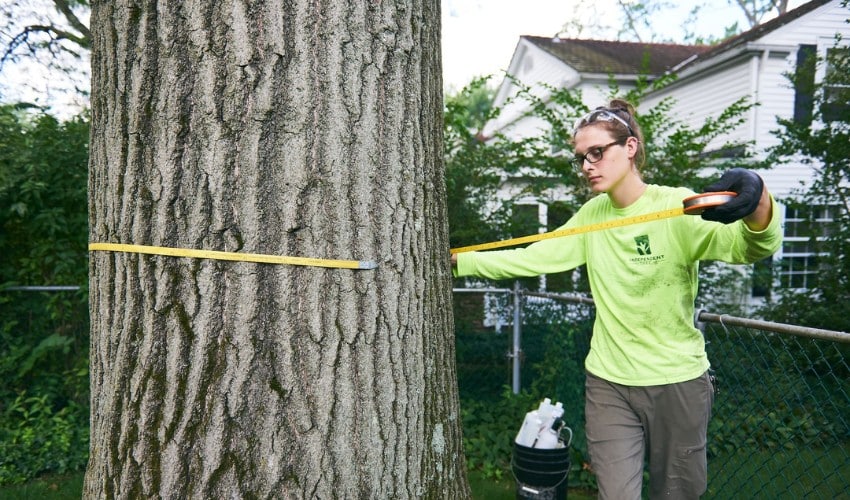
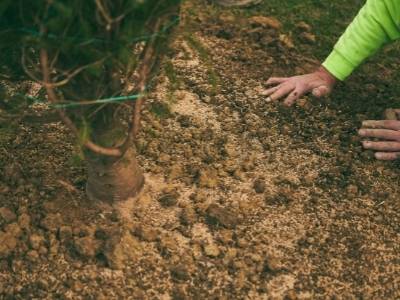
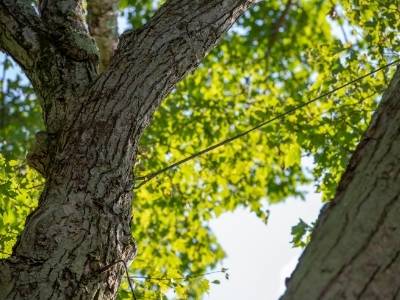
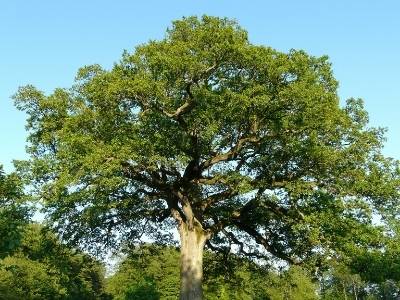
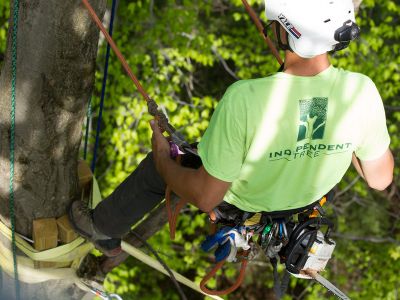
An ISA Certified Arborist assessing a tree’s size and condition—the kind of structured evaluation that informs pruning, health care, and risk recommendations.
For Professional Tree Care from Certified Arborists, Call Independent Tree
The company you hire for tree work is far from a minor detail; it has real consequences for your trees, property, and legal exposure. A lower estimate is only a bargain if that company is operating legally, with proper coverage, and doing work within their qualifications.
In Northeast Ohio, that means asking about ISA certification, workers’ comp coverage, and municipal registration before anything’s agreed upon. The homeowners who ask questions upfront are the ones who don’t end up with a story to tell about the crew that left behind a mess or the tree that died from a problem that was treatable.
Independent Tree’s ISA Certified Arborists serve Northeast Ohio and are ready to help give your trees professional care. Request an estimate or call us at 440-564-1374 to talk through what your trees need.
Need a Certified Arborist for Your Northeast Ohio Trees?
Don't risk your trees — or your liability — on the wrong hire. Independent Tree's ISA Certified Arborists carry the credentials, insurance, and municipal registrations to handle your tree work the right way. Give us a call at 440-564-1374 or click below to request an estimate.Recent Articles
Topics
About The Author


STAY IN THE LOOP
WITH OUR
LATEST UPDATES
"*" indicates required fields

