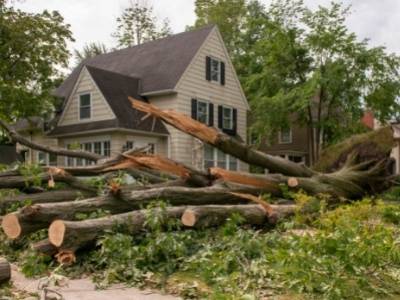




Nothing ruins your morning coffee quite like looking out the window to discover that last night's storm turned your majestic maple into what can only be described as “abstract yard art” – especially after you thought you properly prepared your trees for the summer storms. But, before you schedule a removal service, know that it actually is possible to save a storm-damaged tree – depending on the type and severity of damage.
However, it's important to note: if your tree is uprooted, falling, or has already fallen – particularly if it's on or near a building, power lines, or in danger of blocking traffic – contact us as soon as possible for emergency tree services. A team of professionals can assess the damage, remove the hazard, and ensure your property is restored to safety following a big storm.
Key Takeaways
- Storm damage doesn't automatically mean tree removal; in fact, many trees can recover from losing up to 50% of their canopy when the trunk and root system remain intact, potentially saving you thousands in removal and replacement costs.
- Quick action within the first two weeks significantly improves recovery success – professional assessment and immediate care during this critical window can mean the difference between a tree that thrives and one that slowly declines.
- Certain types of damage are recoverable while others pose ongoing safety risks, making correct and timely identification important for treatment decisions.
- Recovery is a multi-year process that combines professional expertise with homeowner support.
- Proper recovery treatments create stronger, more storm-resistant trees.
Storm Damage Doesn’t Always Equal Tree Death
Northeast Ohio's summer storm season creates the perfect recipe of challenges for trees: intense thunderstorms with straight-line winds, occasional derechos that can flatten entire neighborhoods, microbursts that strike without warning, and even tornadoes followed by flash flooding.
Even so, many storm-damaged trees can be saved with prompt, proper assessment and treatment. The difference between a tree that makes a beautiful recovery and one that becomes a safety hazard often comes down to three critical factors: the type of damage, how quickly you act, and getting the right professional assessment.
DID YOU KNOW? Many healthy, mature trees can lose up to 50% of their canopy and still make a full recovery within 3-5 years with the right recovery treatments and strategies. That’s because the most critical parts of the tree – the trunk, major branches, and root system – often survive even dramatic storm events.
What to Look for When Assessing Your Storm-Damaged Trees
Evaluating storm-damaged trees requires a systematic approach that goes beyond surface-level appearance. While some damage is immediately obvious, the difference between a recoverable tree and a hazardous one often lies in subtle structural details that determine long-term viability.
Signs Your Tree Might Be Savable
Trees with these characteristics typically have strong recovery potential:
- Intact Trunk and Root System: If the main trunk is solid and the tree isn’t leaning too far and hasn't been uprooted, there's usually hope for recovery.
- Green Under the Bark: Scratch a small section of bark with your fingernail. Green tissue underneath indicates the tree is still alive and can potentially recover.
- Flexible, Not Brittle Branches: Damaged branches that bend rather than snap cleanly often indicate healthy wood that can heal properly.
- Partial Leaf Coverage Remaining: Trees that lost less than 50% of their original foliage have a good foundation for recovery.
- Clean Break Points: Wounds that are clean rather than splintered or torn heal more effectively and are less prone to decay.
Red Flags That Usually Require Removal
Though trees can come back from a lot, there is some damage they just can’t safely recover from. These warning signs typically suggest more severe destruction that poses ongoing safety risks, usually requiring a tree removal service.
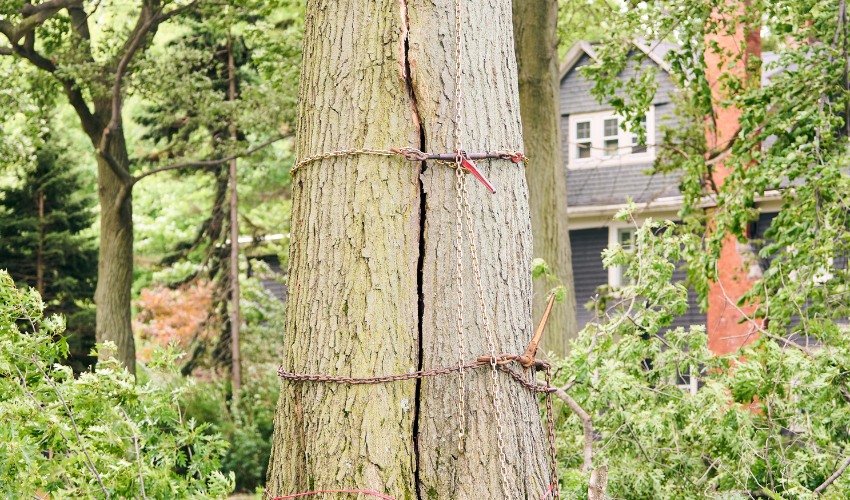
- Trunk Damage: In most cases, any split, crack, or direct damage to the trunk itself is cause for removal because the tree’s structural integrity is compromised beyond safe repair.
- Bark Damage Exceeding 50%: If more than 50% of the trunk’s circumference has had sections of bark torn off (usually from fallen neighboring trees that’ve scraped the trunk’s surface on the way down), the tree can’t successfully repair the extensive wounds.
- Root System Exposure or Damage: Trees with significant root damage or those lifted from the ground rarely recover successfully and pose ongoing safety risks.
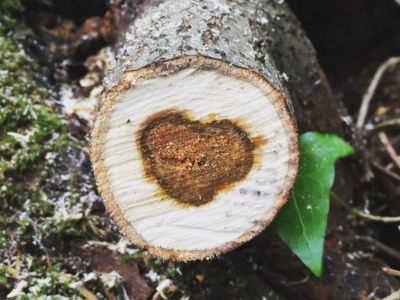
- Revealed Hollow or Decayed Sections: Storm damage sometimes exposes pre-existing decay that wasn't visible before, indicating the tree was already compromised.
- Multiple Leader Splits: When co-dominant stems split apart, the resulting wounds are typically too large for the tree to compartmentalize effectively.
- Over 50% Defoliation and Brittle Branches: Trees that have lost over half of all leaves and show brittle, easily broken branches may be beyond recovery.
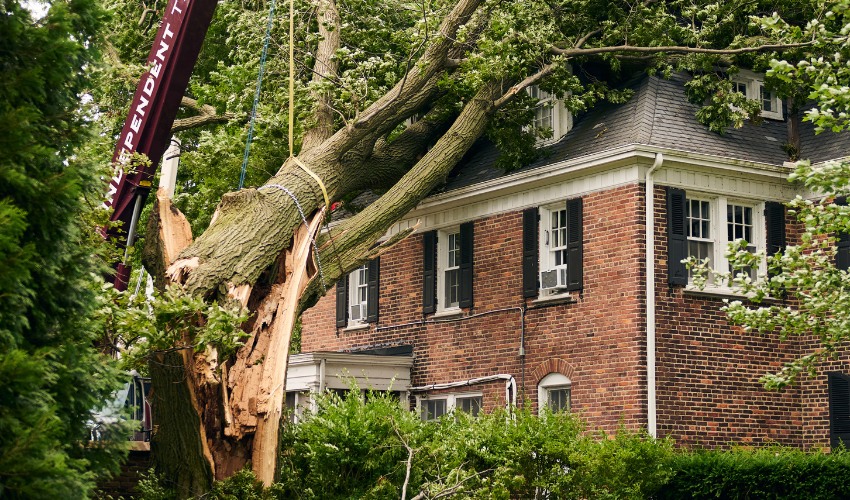
When You Can't Tell – Call a Professional
Storm damage assessment requires expertise that goes beyond what's visible on the surface. An ISA Certified Arborist can identify internal damage, assess structural integrity, and determine whether a tree poses safety risks that aren't immediately obvious.
Not to mention, working with an arborist ensures you have professional documentation for insurance and liability purposes should you encounter tree-related property damage down the road.
Professional assessment becomes critical when damage involves the upper canopy, major limbs, or when multiple trees are affected. What looks manageable from the ground might reveal serious hazards when examined closely.
The Recovery Process: How to Save a Storm-Damaged Tree in Northeast Ohio
A successful storm-damaged tree recovery process happens in stages; you can’t jump straight into long-term support strategies without first addressing immediate safety concerns. And while a great deal of the treatment process requires professional intervention, there is a lot you can do to support recovery efforts.
Immediate Care (First 2 Weeks)
The first two weeks after storm damage are critical for setting the foundation for successful recovery.
Start by contacting a professional about these important services:
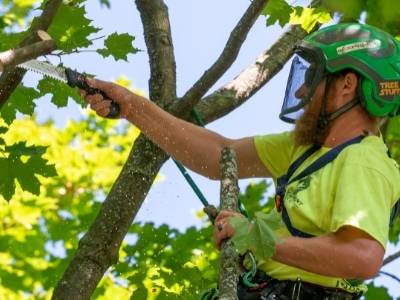
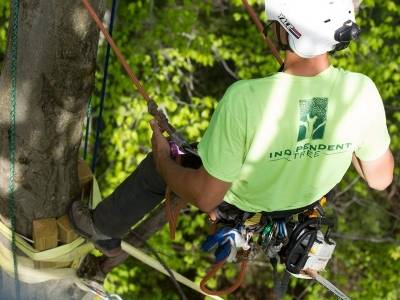
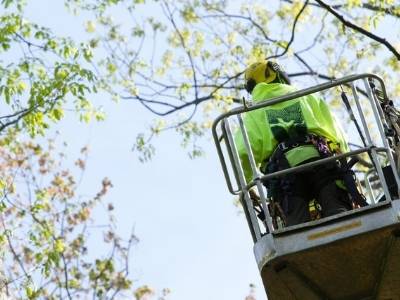
- Professional Pruning to Remove Hazardous Broken Branches: Certified Arborists can safely trim and remove hanging limbs and make proper cuts that promote healing without creating additional stress.
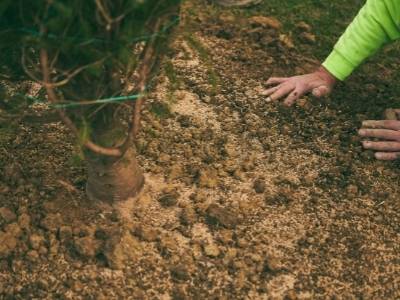
- Root Zone and Soil Assessment: A professional soil evaluation determines the level of displacement and/or compaction around the base of the tree. Compacted or displaced soil directly impacts the tree’s ability to absorb water and nutrients.
- Properly Address Wounds to Prevent Infection: An arborist will ensure the cuts into the bark are clean and with no jagged edges, assisting in the healing process as well as preventing decay organisms from entering the damaged, vulnerable tissue.
As the homeowner, you can help by:
- Providing Water Properly: Storm-damaged trees often have compromised root systems and need consistent moisture. Apply 1-2 inches of water weekly, extending beyond the drip line.
- Clearing Nearby Debris: Remove any fallen branches and leaves from around the tree trunk to prevent pest breeding sites and reduce the chances of fungal growth.
- Documenting the Damage: Take photos for insurance purposes and to track recovery progress. This documentation can be valuable for both insurance claims and treatment planning.
Recovery Treatments (1-6 Months)
This phase focuses on supporting the tree’s natural recovery mechanisms and often requires the following professional intervention:
- Tree Health Care Programs: Fertilization and soil improvement treatments reduce stress and provide nutrients needed for new growth and wound compartmentalization.
- Selective Pruning: Gradual canopy restoration over multiple seasons allows trees to adjust to their new structure without shock from excessive removal.
- Pest and Disease Monitoring: Storm stress makes trees vulnerable to secondary problems like boring insects, canker diseases, and root rot that can derail recovery.
- Cabling and Bracing Installation: Structural support systems provide stability for savable storm-damaged trees while still allowing for new growth.
You can support these efforts by:
- Maintaining a Consistent Watering Schedule: Continue with deep, weekly watering sessions throughout the recovery period.
- Properly Applying Mulch: Apply 2-4 inches of organic mulch in a donut shape around the tree trunk – taking care to never let it touch the tree.
- Continue Monitoring for Problems: Keep an eye out for signs of boring insects, unusual leaf patterns, or new damage.
Long-Term Monitoring and Support (6+ Months)
Storm recovery doesn’t end after the first few weeks. For trees to fully bounce back – and stay healthy long-term – they need consistent care and monitoring over several months or even years. Here’s what that looks like in the long run:
- Regular Tree Health Assessments: Maintain a regular maintenance and care schedule that includes annual arborist evaluations. Routine assessments track recovery progress over time and help to identify emerging issues before they become serious problems.
- Adjusting Care as Tree Responds: As time goes on, you’ll get a better idea of how the tree is responding to current treatments. Regular monitoring allows for treatment plans to evolve based on how well the tree is recovering and address new challenges as they arise.
- Planning for Future Storm Resilience: By having your trees properly pruned and improving structural issues during the recovery period, you’re creating stronger, more wind-resistant trees.
FAQs About Storm-Damaged Trees and Recovery
How long does it take for a storm-damaged tree to recover?
Most storm-damaged trees show initial recovery signs within 1-3 growing seasons, but full recovery typically takes 3-5 years. Larger trees with extensive damage may need up to 7 years to fully recover their pre-storm appearance and strength.
Can a tree survive losing its main trunk?
Trees cannot survive complete trunk loss, but they can recover from significant trunk damage if less than 50% of the circumference is affected and the damage doesn't extend to the root flare. Each situation requires individual assessment.
What's the difference between dormant and dead branches?
Dormant branches will have green tissue under the bark and flexible wood that bends rather than snaps. Dead branches show brown or black tissue under the bark, feel brittle, and break easily.
When should I call an arborist vs. handle damage myself?
Call a professional for any damage involving branches larger than 2 inches in diameter, anything requiring ladder work, or when structural damage is suspected. Homeowners can safely handle small broken twigs and basic cleanup of debris on the ground.
Will my homeowners insurance cover storm damage assessment?
Many homeowner's insurance policies cover arborist assessments when storm damage is documented and the evaluation determines whether trees pose safety hazards to structures. Check with your insurance provider about coverage details and required documentation.
From Wind-Wrecked to Well Again, Independent Tree Can Help Your Storm-Damaged Trees
Storm damage doesn't have to mean starting over with your landscape. With proper assessment, timely treatment, and ongoing care, many storm-damaged trees can recover to become even stronger and more beautiful than before. The key is having experienced professionals who understand both the immediate safety concerns and the long-term recovery process.
Contact Independent Tree at 440-564-1374 to kickstart your tree’s recovery and help transform your wind-wrecked landscape into a thriving, resilient outdoor space that's better prepared for whatever Northeast Ohio weather brings next.
Stressed about storm-damaged trees this summer?
Our Certified Arborists are well-versed in the Northeast Ohio climate and the impact summer storms can have on trees, offering professional treatment options after assessing your property.Recent Articles
Topics
About The Author


STAY IN THE LOOP
WITH OUR
LATEST UPDATES
"*" indicates required fields

