




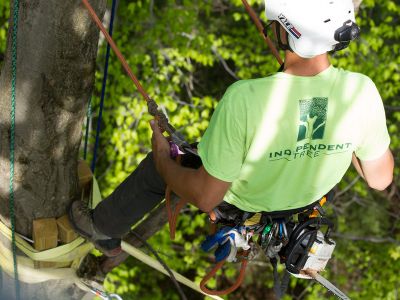

While your Northeast Ohio trees appear to be resting through winter’s dormancy, this season is actually one of the best times to give them expert attention. Many homeowners assume tree care pauses when temperatures drop – but in reality, winter is when strategic pruning makes the biggest difference for long-term health and safety.
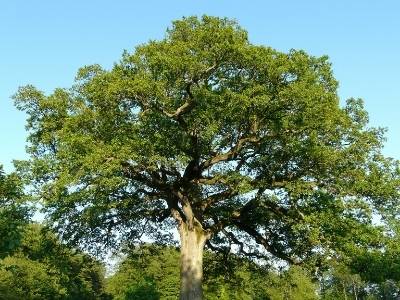
Beneath that frozen landscape, there are clear advantages waiting to be uncovered. From the stately oaks lining Shaker Heights to the sugar maples that frame Chagrin Falls’ charm, your trees benefit from winter pruning that protects your property now and fuels vibrant spring growth later.
Key Takeaways
- Bare branches provide visibility of dangerous weak crotches, crossing branches, and dead limbs that dense foliage hides during the growing season, enabling precision pruning decisions.
- Winter pruning protects trees from oak wilt, Dutch elm disease, and other serious pathogens because bacteria, fungi, and disease-carrying insects are dead or dormant.
- Dormant trees redirect stored energy toward wound healing rather than supporting new growth, with spring’s vigorous growth quickly covering cuts with healthy tissue.
- Hard-frozen soil allows heavy equipment access without damaging valuable landscaping, compacting soil, or destroying lawns, resulting in lower project costs.
- Removing weak branches before Northeast Ohio’s harsh winter storms reduces the risk of dangerous projectiles that could damage property, with preventive pruning costing far less than emergency removal.
- Dormant trees focus energy on fewer, stronger branches rather than competing growth demands, resulting in dramatically improved spring growth and better overall tree health.
Can You Trim Trees in Winter?
Yes, winter is one of the best times to prune most trees in Northeast Ohio. During dormancy, trees are less stressed by pruning, insects and diseases are inactive, and frozen ground makes work safer and more efficient.
So, not only can you prune trees in winter – you should. Dormant season pruning sets your trees up for healthy spring growth while minimizing risk during harsh weather.
What Are the Benefits of Winter Tree Pruning in Northeast Ohio?
Winter tree pruning isn’t just about convenient timing. It’s strategic tree care that delivers measurable advantages for your landscape investment. Each benefit builds on Northeast Ohio’s unique winter conditions, from our reliably frozen ground to the dormant state of local tree species.
1. Winter Provides Superior Tree Structure Visibility
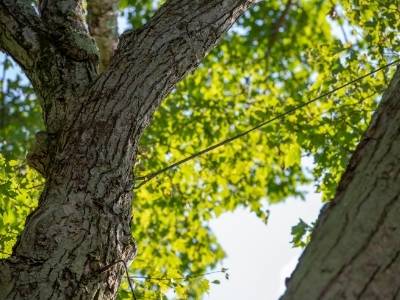
Winter’s bare branches reveal structural problems impossible to see during the growing season. That’s because during the growing season, dense foliage masks structural problems that could pose serious risks, including:
- Crossing branches that rub against each other
- Weak crotches that invite splitting
- Dead limbs hiding in the canopy
PRO TIP: Learning to recognize these signs you need to prune helps you understand why winter assessment is so valuable. This complete visibility allows for precise pruning decisions that improve your tree’s long-term health and safety.
Professional arborists can easily identify which branches need removal and plan strategic cuts for optimal crown shaping and weight distribution. The clarity winter provides means better pruning decisions, resulting in stronger, healthier trees that will thrive for years to come.
Research from the University of Minnesota Extension confirms that winter’s bare branches provide superior conditions for structural assessment and pruning decisions.
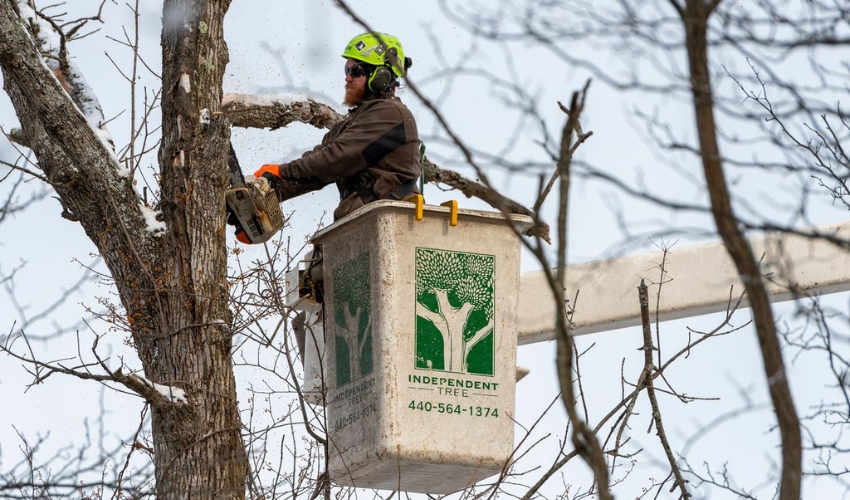
2. Winter Pruning Eliminates Disease Transmission Risk
Dormant pathogens and insects eliminate disease transmission risk during winter pruning. The reason? Bacteria, fungi, and disease-carrying insects are either dead or completely dormant during Northeast Ohio’s cold months.
When you prune during the growing season, fresh cuts act like open wounds exposed to active pathogens. But winter pruning means these wounds face minimal exposure to harmful organisms. Your tree’s natural wound compartmentalization process works without interference from diseases trying to invade the fresh cuts.
This timing is especially critical for preventing oak wilt, Dutch elm disease, and other serious tree diseases that plague Northeast Ohio.
To that end, we only recommend pruning oaks between November and February to protect them from oak wilt.
“Some people don’t realize just how important winter pruning is for oaks and elms. We’ve seen too many beautiful mature trees lost to disease because they were pruned when beetles are active. Winter dormancy isn’t just better for the trees. For oaks and elms, it’s literally the difference between life and death.” – Alan Kraus, ISA Certified Arborist & Founder of Independent Tree
3. Trees Heal Faster When Pruned During Dormancy
Trees heal faster and more completely when pruned during dormancy. Your trees store energy throughout winter, and when pruned during dormancy, they redirect this stored energy toward healing rather than supporting new growth that could be damaged by late freezes.
The timing works perfectly with your tree’s natural rhythms. During dormancy, trees activate their most effective compartmentalization process. They essentially build protective barriers around wounds to prevent decay and disease entry.
This healing advantage is especially noticeable with maple trees, which are prone to heavy sap bleeding if pruned during spring. Winter pruning eliminates this stress and bleeding, allowing for clean healing.
By spring, your properly pruned trees will show remarkable recovery, with callus tissue already forming over cuts and new growth emerging stronger and more vigorous than unpruned trees.
Avoiding common pruning mistakes during this process ensures your trees get these healing benefits.
4. Frozen Ground Reduces Equipment Costs and Potential Damage
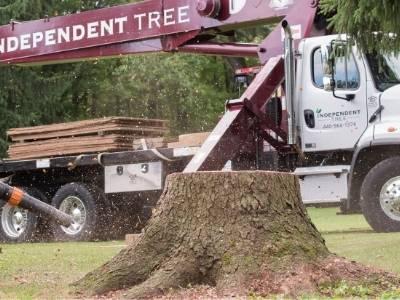
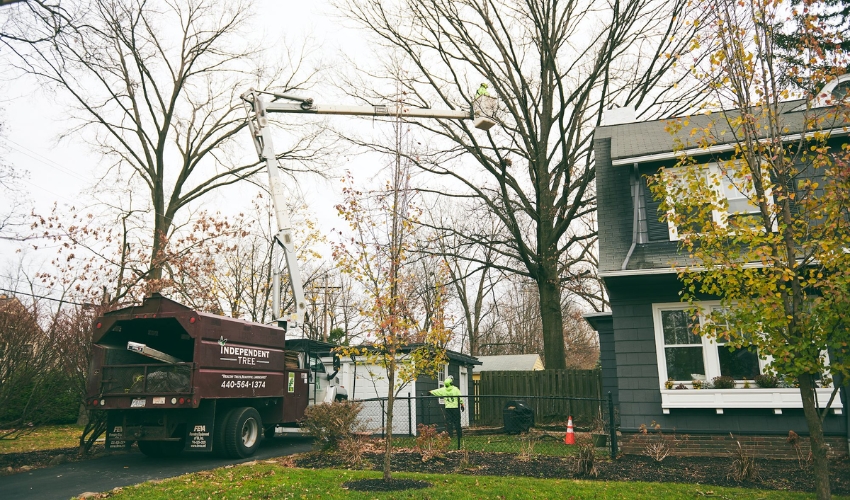
When the soil freezes solid, heavy equipment can access your trees without the risk of damaging valuable landscaping, compacting soil, or destroying your lawn.
Some of the equipment that benefits from frozen ground include:
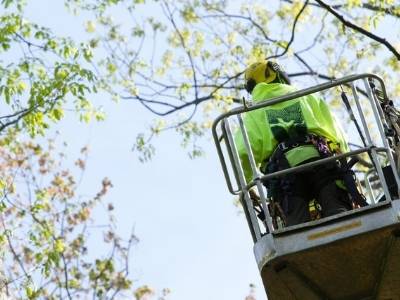
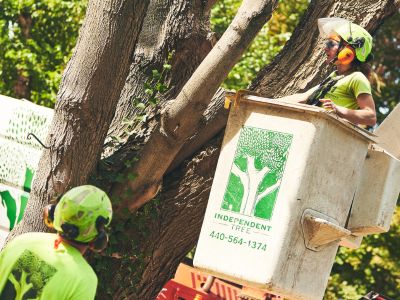
- Bucket trucks
- Chippers
- Cranes
The efficiency of equipment translates directly to cost savings. Arborists can work faster and more efficiently when they don’t need to protect soft ground or navigate around vulnerable landscaping. Many tree care companies offer competitive winter pricing because frozen ground conditions allow for streamlined operations.
5. Winter Pruning Prevents Costly Storm Damage
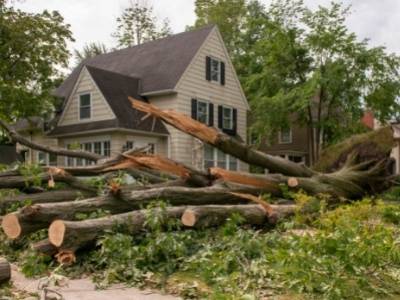
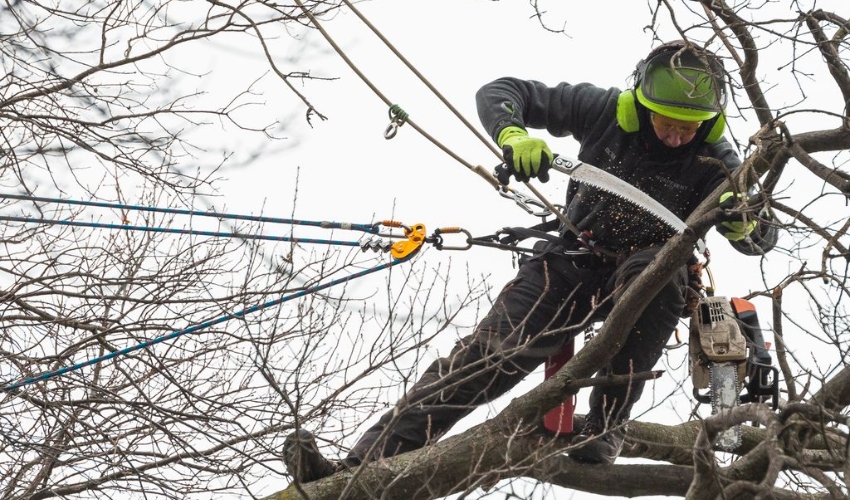
Strategic winter pruning removes weak branches before they become dangerous projectiles. Northeast Ohio winters throw everything at your trees, from Lake Erie snow squalls that dump heavy wet snow to ice storms that coat branches with destructive weight. These winter storms in Ohio create unique challenges that strategic winter pruning can address.
Preventive pruning identifies and eliminates branches threatening your home, vehicles, power lines, or walkways. A proactive approach costs far less than emergency removal after a branch crashes through your roof or damages your car.
PRO TIP: Preventive work is often much cheaper than emergency work to clean up damage. Have an arborist inspect your trees and provide recommendations on which branches to remove to protect your property.
The safety benefits extend beyond property protection. Removing hazardous branches over driveways, sidewalks, and children’s play areas eliminates potential injury risks. Professional arborists can identify branches that look stable but actually pose hidden dangers due to:
- Decay
- Weak attachment points
- Structural defects only visible during winter assessment
Frequently Asked Questions About Winter Tree Pruning
When is the best time to prune trees in Northeast Ohio?
Winter (December through March) provides the optimal window for most tree species in Northeast Ohio, after dormancy is established but before spring bud break. This timing maximizes healing benefits while minimizing disease risk and stress to your trees.
Which trees must be pruned in winter?
Oak and elm trees should ONLY be pruned during winter months (November-February) to prevent disease transmission by beetles attracted to fresh cuts during the growing season. Maples also benefit significantly from winter pruning to avoid sap bleeding issues.
Will winter pruning harm my trees?
No, proper winter pruning provides superior healing conditions for trees. Dormant trees recover faster and face minimal disease risk compared to growing season pruning. Research confirms that winter timing leads to better wound closure and healthier trees. This contrasts sharply with summer tree pruning, which carries higher risks (though there are reasons to do it).
Can I prune trees myself in the winter?
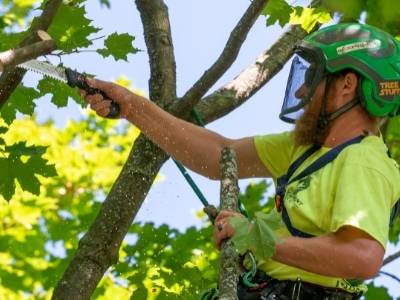
While it’s possible for a homeowner to prune their own trees, it is often best to leave it to a professional arborist. Arborists have the tools to make the job easier and safer, and they know the proper cutting techniques to protect your tree from damage.
Protect Your Property and Save This Winter with Professional Tree Pruning
These five powerful benefits make winter the ideal pruning season for your Northeast Ohio trees. From enhanced visibility and disease prevention to cost savings and storm protection, the advantages are clear and compelling. The limited winter window means acting now protects your valuable landscape investment while ensuring your trees thrive through spring and beyond.
Ready to give your Northeast Ohio trees these winter advantages? Contact Independent Tree’s experienced team for expert winter pruning that protects your landscape investment. Call 440-564-1374 or request your estimate online today.
Recent Articles
Topics
About The Author


STAY IN THE LOOP
WITH OUR
LATEST UPDATES
"*" indicates required fields
